In conversations about the durability of medical equipment, the most commonly constructed analogies – namely those about asset depreciation, maintenance and after-market acquisition – are comparisons involving motor vehicles. But for the first time across both industries, the impact of the novel coronavirus (COVID-19) pandemic also conjured up another apt comparison: that of supply chain shortages, parts and equipment delays, and confronting the financial challenges that such factors complicate.
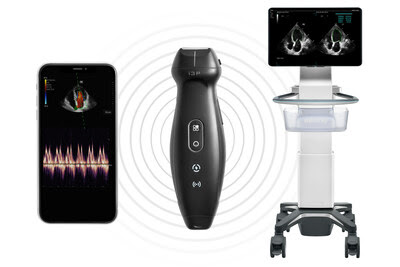
Mindray has announced the launch of its TE Air Wireless Handheld Ultrasound, a new imaging solution that improves ultrasound accessibility. This compact, wireless technology enables health care professionals to carry comprehensive scanning capabilities in their pockets, adapting to a wide array of clinical scenarios.
It’s official! The 2024 Imaging Conference & Expo is a 10th anniversary celebration in beautiful Irvine, California! Mark the calendar now for February 18-20 and join colleagues at The Hyatt Regency Irvine (formerly Hotel Irvine) for networking, continuing education, exhibit hall and a party on the lawn.
After a nationwide search, AHRA announced that Jason Newmark has accepted the position as its new executive director. Newmark has been a part of the AHRA family for many years. He is a past president and has a strong history of volunteering in the association, combined with a wealth of experience and knowledge of the challenges and opportunities that lie ahead.
Researchers at the National Institutes of Health found that living in an area with high levels of particulate air pollution was associated with an increased incidence of breast cancer. The study, published in the Journal of the National Cancer Institute, is one of the largest studies to date looking at the relationship between outdoor air pollution, specifically fine particulate matter, and breast cancer incidence. The research was done by scientists at the National Institute of Environmental Health Sciences (NIEHS) and the National Cancer Institute (NCI), both part of NIH.
Appropriate use criteria that have been certified by CMS for coronary artery disease imaging are heterogeneous and, at times, discrepant, according to a review recently published in Annals of Internal Medicine.